
Bai Ling
Bai Ling, the actress from Chengdu, sang for soldiers in Tibet as a teenager, then built a Hollywood career with The Crow, Red Corner and Dumplings.

Photo: German Film & Comic Con, CC BY 3.0, via Wikimedia Commons. Resized and converted to WebP.
The Army Troupe in Nyingchi
Bai Ling was born in Chengdu, in Sichuan province. At 14 she joined the People's Liberation Army, and for three years she performed for soldiers stationed in Tibet, according to a profile in The Philippine Star in 2000. In a 2016 interview with Broadly, a VICE site, she said she had wanted to go to university, but she auditioned to entertain the troops instead and was posted as an entertainer to Nyingchi Prefecture. The job meant singing and dancing, and it also meant training as a soldier. "Because there were only seven of us [girls] in the whole borders, we became so precious," she said.
She described the same years to the Washington City Paper in October 2009. "When I was 14, I was in Tibet in the People's Liberation Army... It was complicated and painful and cruel and very beautiful," she said. She called herself a soldier and said she worked night shifts as a nurse.
Her own accounts of her family differ. In the 2000 interview she said, "Both my parents were university professors." The 2016 VICE profile says her father worked as a music teacher.
On the Beach and Arc Light
After the army she trained with the Szechwan Theater Company. Stage work led to film. VICE named On the Beach as the role that made her known in China: she played a girl who leaves a fishing village for the city. The Philippine Star singled out a different picture, the Chinese drama Arc Light, in which she played a mentally ill young woman, and called that performance a landmark in her career.
New York University and the Pen Pals Audition
She reached the United States in the early 1990s. The two interviews tell this part differently. VICE reported that New York University invited her to the school as a guest. In 2000 she described "a New York University film school where I studied," where she asked classmates to speak to her only in English. Soompi, which interviewed her in 2009, wrote that she arrived with no money and no English.
While in New York she found an American agent. She then went to Los Angeles to try for the lead in Mary Katzke's film Pen Pals, although the agent doubted she would get it, and she won the part. Agents told her to take an English first name, as other Asian actresses in Los Angeles had done. She refused. "They already have Susan. They already have Sophia," she told VICE.
The Crow and Nixon
Pen Pals brought more auditions, among them The Crow, released in 1994 and directed by Alex Proyas. At the audition the other actresses came in goth costume; she came in her everyday clothes and was cast. On set she played video games with the star, Brandon Lee.
Oliver Stone then cast her in Nixon. Her own summary of that job, given in 2009: "I was the Chinese interpreter, but I didn't speak English."
Red Corner and the Traitor Headlines
Red Corner, released in 1997, gave her a lead role opposite Richard Gere. The National Board of Review gave her its Breakthrough award for 1997, and the Hollywood Women's Press Club named her Discovery Star of 1997 at its Golden Apple Awards.
The film cost her at home. "The newspapers said that I sold my country to get this (Hollywood) glory," she said, after Chinese papers called her a traitor. She said she worried about her family in China. In October 1999 she flew back to visit her grandmother. By early 2000 she had also appeared in Wild Wild West and Anna and the King.
Dumplings at the Golden Horse
At the Golden Horse Awards on 4 December 2004 she won Best Supporting Actress for Three ... Extremes: Dumplings. The Taipei Times called it her first Chinese-language film since she had found work in Hollywood. In March 2005 the 24th Hong Kong Film Awards gave her the same prize for the same role.
Playboy and Revenge of the Sith
She shot a part in Star Wars: Episode III, Revenge of the Sith. In May 2005, the month the film opened, she posed for Playboy. By her account, George Lucas cut her from the film shortly before its release. Fans have tied the cut to the Playboy spread. Asked about that, she told VICE, "Only he can answer that." No explanation from Lucas appears in the sources for this article.
She does not treat the magazine as a mistake. "I'm the first Asian woman on the cover of Playboy mag. I went from a communist country to Playboy," she said in 2016.
Southland Tales and Crank: High Voltage
In 2006 she appeared in Southland Tales, directed by Richard Kelly. She told VICE the part was small on paper. Kelly had her watch the Madonna video "Vogue," followed her with a camera, and expanded the role in the final cut.
In Crank: High Voltage, which opened on 17 April 2009, she played Ria, a Chinese call girl who helps Jason Statham's character. That year she also gave the Washington City Paper interview quoted above.
Celebrity Rehab and Work in China
In 2011 she went on VH1's Celebrity Rehab to seek help with drinking. By the time of the 2016 profile she had returned from China, where she had filmed a television series.
Sources
Filed Under Topics
Related Life Stories & Dossiers
Further inspiring trajectories within Entertainment and influential circles.
 Entertainment
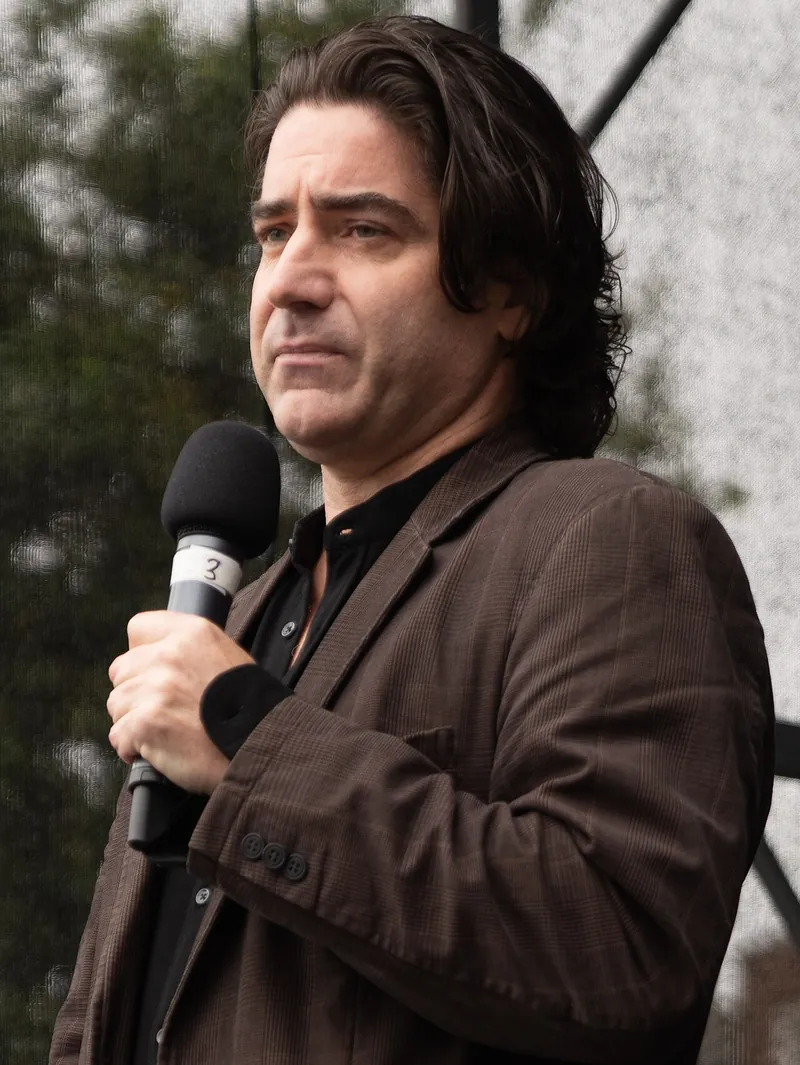
Brian Kennedy
Belfast singer Brian Kennedy: the Falls Road, six years with Van Morrison, George Best's funeral, Eurovision 2006, and surviving cancer and heart surgery.
 Entertainment
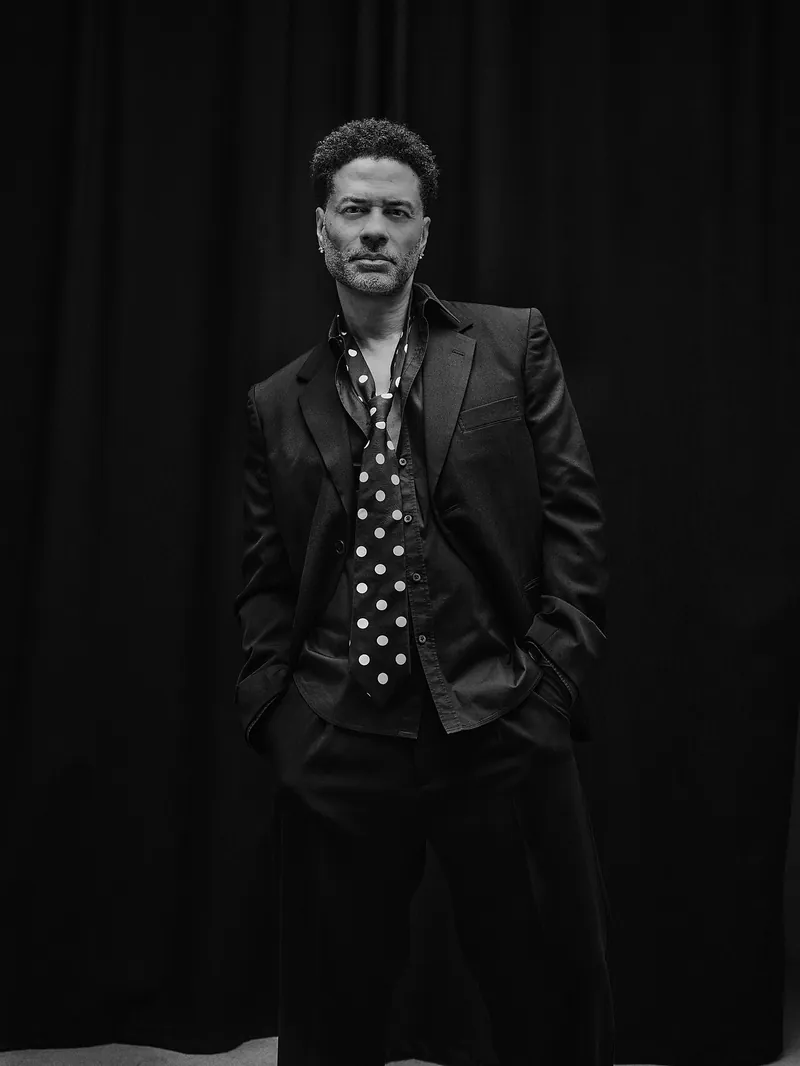
Eric Benét
Eric Benét, the R&B singer behind Spend My Life With You, on his Milwaukee roots, Warner Bros. years, marriages, acting roles and his 2025 album The Co-Star.
 Entertainment
Jean-Jacques Beineix
Jean-Jacques Beineix, born in Paris on 8 October 1946, left medical school for film, made Diva and Betty Blue, founded Cargo Films, and died at 75 in 2022.